Pest Control for Homes in Stamford, CT
Request a written estimate
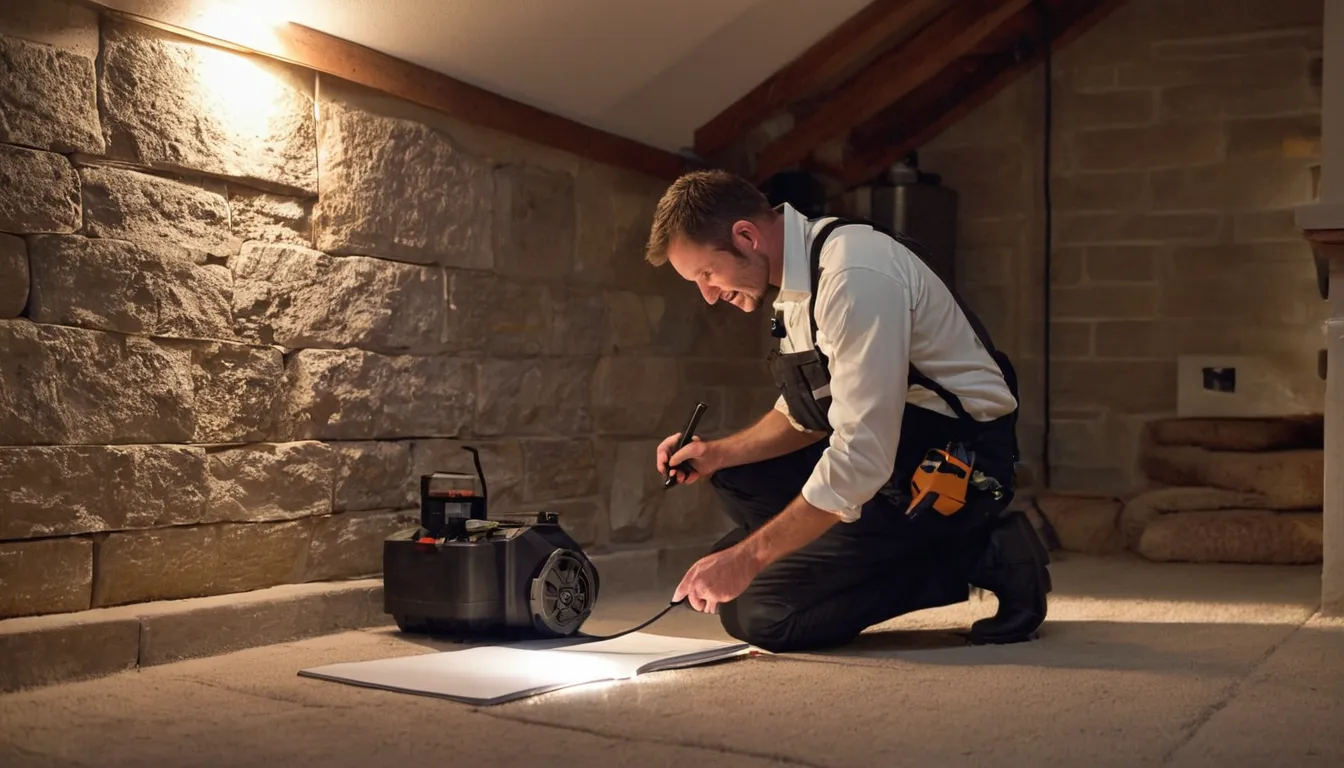
Pests rarely show up without a reason. Like a leaky bucket, a home with small gaps, damp corners or loose food finds itself topped up again and again. Pest control looks for those gaps, treats the pests you can see, and helps you close the openings behind them.
Jonathanshore Pest Control is a referral service. We do not treat homes ourselves. We help homeowners in the Stamford area organize photos and notes, then connect them with independent providers in our network who inspect, explain the plan, and put the price in writing. Ask why first, and get it in writing.
Seeing Pests in Your Home? Start Here
If you just found ants on the counter, droppings in a cabinet, or a scratching sound in the wall, take a breath. Most pest problems are fixable, and a few calm steps will make the next conversation much easier.
Think of it like a doctor visit. The more clearly you describe what you saw and when, the faster the provider can find the cause. Notes beat guesses.
Why Pests Move In When the Weather Turns
Pests want three things: food, water and a warm place to rest. When cold snowy winters arrive, that warm place is often your house. When spring snowmelt soaks the ground, damp soil pushes insects toward the foundation.
Older homes with stone or block foundations, full basements and many small gaps are like a house with the doors left unlatched. Freeze-thaw cycles also open tiny cracks that were sealed last year.
Why Acting Early Matters
Most pests grow in numbers, not just in size. A few mice become a nest. A line of ants can mean a colony nearby. Waiting is like ignoring a small drip under a sink: the repair gets bigger the longer it runs.
Acting early also keeps the plan simpler. A light problem often needs fewer visits and fewer products. If you see signs of chewing on wires, damp wood damage, or pests in food storage, ask a provider to look soon.
Photos and Notes That Help You Get a Clear Estimate
A short record saves time for you and the provider. It also helps if you ever need to talk with your insurance company about damage.
- Take wide and close photos of droppings, chewed items, trails or damage, with a coin for size.
- Write down the date, the room and the time of day you saw each sign.
- Save any receipts for past treatments, traps or repairs.
- Keep every written quote and report in one folder.
Some policies may cover sudden damage, but many do not cover pests themselves. Check your policy, and know that providers can often help document damage for a claim.
What Pest Control Covers
Residential pest control usually has three parts. First comes an inspection to find the pest, the entry points and what draws them in. Second is treatment, which may use baits, sprays, traps or dusts placed where pests travel. Third is follow-up, so you know whether it worked.
It is a bit like weeding a garden. Pulling the weeds you see helps, but fixing the soil keeps them from returning.
Common Pests Providers Treat
Providers in our network commonly help with ants, spiders, cockroaches, crickets, mice, rats and termites. Each pest acts differently, so each needs a different plan.
- Ants: follow scent trails, so cleaning and bait work together.
- Roaches: hide in warm, damp spots and come out mostly at night.
- Mice and rats: squeeze through gaps the size of a coin or a pencil.
- Spiders and crickets: often follow other insects indoors.
Termites have their own treatment process, so they have their own page on this site.
Bed Bugs and Wildlife Questions
If your search is "exterminator near me" and the problem is bed bugs, say so when you request an estimate. Bed bug treatment often needs several steps, such as preparing bedding and a follow-up check. Larger animals in an attic or wall are a different job called wildlife removal, and some providers handle both. Ask what is included.
Questions About Product Safety
It is fair to ask what will be used in your home. Many treatments are placed in cracks, voids and bait stations instead of being sprayed across open rooms.
Ask the provider which products they plan to use, where they will go, and how long people and pets should stay away. Ask for the product label or safety sheet. A good answer should sound clear, not rushed. Mention children, pets, fish tanks and anyone with breathing concerns before work begins.
One-Time Treatment or Ongoing Plan?
A one-time treatment is like taking a pill for a short illness. It suits a single, clear problem, such as a wasp nest or a short ant trail. An ongoing plan is more like a yearly checkup. A provider returns on a schedule to catch problems early.
Older houses with many entry points, or homes near wooded areas, often benefit from a plan. Ask what each visit includes and how to stop the plan if you no longer need it.
What Drives the Price
Price depends on the pest, the size of the home, how bad the problem is, and how many visits are needed. Sealing gaps adds cost but can reduce repeat problems.
Because every house is different, ask for a quote in writing that lists the pests, the steps, the number of visits and any follow-up terms. Get it in writing before work starts.
Choosing a Provider You Feel Good About
Ask why first. A careful provider explains what they found, why it happened and what the plan will do. Ask whether they carry the licenses your state requires, and ask for proof you can read yourself.
Compare two written quotes if you can. Look at scope, not just the total. A low number that leaves out follow-up may cost more later.
Helping Treatment Work
Your part is small but useful. Clear clutter along walls, store food in sealed containers, fix leaks, and move boxes off basement floors. Follow the preparation list the provider gives you.
Think of the provider as a coach and yourself as the team captain at home. Each does a part. Request a callback to check provider availability, or send the request form and share your photos and notes.
What's Included
Home Inspection
A provider looks for the pest, the entry points and the conditions that drew them in.
Targeted Treatment
Baits, traps or sprays are placed where pests travel, not spread everywhere.
Entry Point Advice
Providers point out gaps, damp spots and food sources so problems are less likely to return.
Follow-Up Visits
A check after treatment shows whether the plan worked and what to adjust.
Typical Pest Control Costs
These are typical U.S. ranges, and they vary by home, pest and region. They are not quotes. Always ask for a written estimate that lists the steps, the visits and any follow-up terms.
| Service | Typical range | Notes |
|---|---|---|
| Inspection visit | $75 – $200 | Sometimes applied toward treatment |
| One-time general treatment | $150 – $400 | Ants, spiders, roaches, crickets |
| Quarterly plan, per visit | $100 – $200 | Helps catch problems early |
| Mouse or rat control | $300 – $1,500 | Higher with sealing work |
| Bed bug treatment | $1,000 – $3,000 | Depends on rooms and method |
| Wasp or hornet nest removal | $100 – $500 | Varies by height and size |
How It Works
Gather Your Notes
Take photos, write down dates and rooms, and save any past treatment receipts.
Send Your Request
Share what you found and ask for an estimate from a local provider.
Compare Estimates
Read the written scope, visits and terms, and ask why each step is needed.
Prepare and Follow Up
Follow the prep list, then check back to see if the treatment worked.
Why Call Jonathanshore Pest Control
Clear Notes
Photos and dated notes help providers find the cause faster and give you a more accurate estimate.
Written Quotes
A written estimate shows scope and price, so you can compare providers fairly.
Plain Answers
We explain how pests behave so you can ask better questions before work starts.
Local Providers
Independent providers in our network know the local climate and older home styles.
Other Services
Need pest control in Stamford?
Send a few details about your pest problem and request an estimate. A provider in our network can follow up with options and a written quote.
No obligationPest Control FAQ
How do I know if I need pest control or can handle it myself?
A few ants or one spider can often be handled with cleaning and sealing. If pests keep returning, you see droppings, chewing or nests, or the problem is in walls, ask a provider to inspect.
Is pest control safe for kids and pets?
Many treatments use baits and crack-and-crevice placement to limit exposure. Tell the provider about children and pets, ask which products are used, and follow their advice about staying out of treated areas.
How much does an exterminator cost for a house?
A one-time treatment often runs about $150 to $400 in the U.S., and plans cost less per visit. Rodents and bed bugs cost more. Prices vary, so get a written quote first.
Tell us what happened
Send a few details about your pest problem and request an estimate. A provider in our network can follow up with options and a written quote.
No obligation